Seeing a faithful companion start to slow down is never easy. By 2026, the veterinary consensus has shifted — ageing isn't a disease, but it does require a different nutritional strategy. Whether your Lab is starting to struggle with the stairs or your Jack Russell is sleeping longer by the fire, your dog's needs change significantly once they hit senior status — usually around age 7 for most breeds, or 5 for giant breeds.
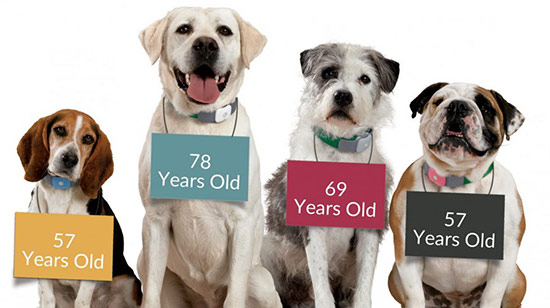
In this guide we cover what actually changes as your dog ages, the senior food brands available in Irish shops in 2026, and how to manage the three most common complaints in older dogs — joint pain, low appetite, and digestive trouble.
What Actually Changes as Your Dog Gets Older?
As the muzzle turns grey, your dog's internal engine shifts gears. Three major changes affect nutritional requirements:
Metabolic slowdown. Older dogs burn calories more slowly, making weight gain a serious and common risk. A food that was appropriate at age three may be too calorie-dense by age eight, even if the portion size hasn't changed.
Muscle wastage (sarcopenia). Older dogs often lose lean muscle mass progressively, leading to weakness and reduced mobility. Quality protein — not reduced protein — becomes more important, not less, as a dog ages.
Digestive efficiency. The gut becomes less efficient at absorbing nutrients, and the beneficial bacteria population can decline. This is why senior dogs are more prone to gas, loose stools, and constipation — and why gut support becomes a sensible addition to their routine. See our guide to the best probiotics for dogs in Ireland for practical options.
Top Senior Dog Food Brands in Ireland — 2026
These are the brands you'll find in Petmania, Maxi Zoo, and Irish vet clinics — and what each one is actually best for.
1. Purina Pro Plan Bright Mind — Best for Brain Health
One of the most researched senior foods on the market. Bright Mind contains botanical oils that provide an alternative energy source for the ageing brain — a meaningful distinction from standard senior formulas that focus only on joints and weight.
Best for: Dogs showing early signs of canine cognitive dysfunction — confusion, altered sleep patterns, apparent disorientation.
Key feature: Clinically studied to improve mental sharpness and alertness within 30 days of consistent feeding.
Availability: Vet clinics, Petmania, and online via Zooplus IE.
2. Royal Canin Senior Consult / Ageing — Best for Size-Specific Care
Royal Canin's senior range is built around size and age precision. Their Ageing 10+ and 12+ formulas are tailored to the specific organ support needs of very old dogs — kidney function, heart health, and digestive support are all factored into the formulation at different life stages.
Best for: Owners of older small breeds who want targeted organ support rather than a generic senior formula.
Key feature: The kibble can be rehydrated into a soft mash for dogs with dental pain or missing teeth — a practical consideration for dogs over ten.
Availability: Widely stocked in Irish vet clinics and Maxi Zoo.
3. Red Mills Leader Senior — Best Irish Option
Made in Kilkenny, the Leader Senior range is one of the most consistently recommended senior foods by Irish vets. It covers medium and large breed versions, is formulated with glucosamine and chondroitin for joint support built into the recipe, and is priced significantly below the imported premium brands.
Best for: Quality-conscious owners who want to support Irish manufacturing without compromising on nutritional quality.
Key feature: Glucosamine and chondroitin included at meaningful levels — not just as a marketing addition.
Availability: PetStop, independent pet shops, agricultural stores, and online. One of the most accessible senior foods in Ireland.
4. Hill's Science Plan Youthful Vitality — Best All-Rounder
Hill's Youthful Vitality is designed to address ageing at a cellular level — energy metabolism, cognitive function, and joint mobility are all targeted in a single formula. It's positioned at the early senior dog rather than the very old dog.
Best for: The early senior — a dog that's just starting to slow down and whose owner wants to get ahead of the decline rather than manage it reactively.
Availability: Vet clinics and specialist pet retailers.

Managing Joint Issues, Appetite, and Digestion
Joint Support — The Double Strike Approach
Joint pain is the most common complaint for senior dogs in Ireland. While senior foods contain some joint support ingredients, most vets recommend combining a good senior food with a dedicated supplement for meaningful relief.
The food: Choose a senior diet with omega-3 on the label — look for fish oil or salmon listed as an ingredient. Red Mills Leader Senior and Purina Pro Plan both include this. Our guide to salmon oil and fish oil for dogs covers how omega-3 works for joint inflammation specifically.
The supplement: Add a dedicated joint supplement like Stride Plus or YuMOVE Joint Care alongside the food. These provide higher concentrations of green-lipped mussel and hyaluronic acid than any food formulation can practically deliver. For a full comparison, see our guide to the best joint supplements for dogs in Ireland.
Dealing with Low Appetite
If your senior dog is turning their nose up at dinner, it's often because their sense of smell has faded — and smell drives appetite in dogs far more than taste does.
The warm water trick. Add a small splash of warm — not boiling — water to dry kibble before serving. It releases the aromas in the food and makes it significantly more appealing to a dog with a dulled sense of smell.
Wet food toppers. A spoonful of Naturo Senior wet food or a small amount of low-sodium bone broth over dry kibble can make a meaningful difference to a reluctant eater.
Check the teeth. Many apparently fussy seniors have dental pain that makes hard kibble uncomfortable. If your dog has stopped crunching or is eating more slowly than usual, a vet dental check is worth doing before assuming it's appetite loss.
Smoothing Out Digestion
Constipation and gas are common in older dogs as gut motility slows. Two practical approaches:
Fibre. Senior formulas like Burns Senior+ are formulated with higher fibre content specifically to keep things moving. If you're on a standard adult food, this alone is a reason to make the switch to a senior-specific formula.
Probiotics. A daily probiotic sachet — FortiFlora is the most practical — helps maintain the gut bacteria population that naturally declines with age. It reduces gas, improves stool consistency, and supports nutrient absorption. Worth doing as a routine rather than waiting for a problem to develop.
The Golden Rule — Portion Control
An overweight senior dog is a dog in pain. Extra body weight puts direct additional pressure on ageing joints and the cardiovascular system — the two systems most at risk in older dogs. It's one of the most impactful and controllable factors in senior dog health.
Always use a measuring cup rather than estimating by eye. The portion guidance on senior food bags is calibrated for the reduced metabolic rate of an older dog — it will look like less than you're used to feeding, but that's intentional. You should be able to feel your dog's ribs without pressing firmly, but not see them.
Summary Checklist for Your Senior Dog
Switch to a senior formula. Transition gradually over seven to ten days — 25% new food increasing every two to three days. Going too fast causes digestive upset.
Monitor weight monthly. The rib check is the most practical at-home assessment. If you can't feel the ribs at all, it's time to reduce the portion or switch to a lower-calorie senior formula.
Hydration. Senior dogs are more prone to dehydration. Ensure fresh water is always easily accessible — consider a second water bowl in the house if your dog is less mobile than they used to be.
Vet checks every six months. The standard annual check is not frequent enough for dogs over eight. Blood panels at six-monthly intervals catch kidney, liver, and thyroid changes early, when they're most manageable.
Frequently Asked Questions
For most medium breeds, around age seven is the standard guideline. Large and giant breeds age faster and may benefit from a senior formula from age five or six. Small breeds tend to age more slowly and can often stay on adult food until eight or nine without issue. Your vet is the best guide — a six-monthly check from age seven onwards will give you a clear picture of when the nutritional shift is warranted for your specific dog.
Grain-free is not inherently better or worse for senior dogs. The more important factors are protein quality, digestibility, and whether the formula includes meaningful levels of joint support ingredients. Some senior dogs do better on grain-inclusive foods as they age because the fibre from whole grains supports gut motility. If your dog has been on grain-free their whole life without issue, there's no strong reason to change — but it's worth discussing with your vet at a senior check.
For most senior dogs, a dedicated joint supplement and a daily probiotic are worthwhile additions even when feeding a good quality senior food. The joint supplement concentrations in food alone are rarely high enough to provide therapeutic benefit for a dog with visible mobility issues. Fish oil is also worth adding for omega-3 support if the food doesn't list a significant marine ingredient. See our guides to joint supplements and salmon oil for dogs for specific product recommendations available in Ireland.
First rule out dental pain — this is the most commonly missed cause of appetite decline in older dogs. If the teeth are fine, try warming the food slightly with a splash of warm water, adding a wet food topper, or switching to a more aromatic protein. A sudden or significant drop in appetite always warrants a vet visit, as it can indicate an underlying health issue beyond normal ageing rather than simply a preference change.
Red Mills Leader Senior is one of the most widely available senior dog foods in Ireland. You'll find it in PetStop, independent pet shops, many agricultural supply stores, and online via Zooplus IE and Amazon Ireland. Because it's manufactured in Kilkenny, stock tends to be fresher and more consistently available than imported equivalents.